The Charter of a Public Association: How to Retain Control
Founders of a public association hold no protected status after registration. How membership categories, voting rules and charter amendment procedure keep control with the founders.

Author
Head of the Center, lawyer, tax expert
Head of the Kyiv Center for Business Support and Development. A lawyer with more than 20 years of experience advising Ukrainian businesses—from microbusinesses and sole proprietorships (FOPs) to medium-sized companies and industry associations. He specializes in defending businesses during tax audits, appealing the actions of regulatory authorities, and the practical application of tax law. A regular contributor to numerous business and professional media outlets since 2004, he explains complex regulations in simple language and provides actionable frameworks for owners. He speaks at industry press conferences, forums, and seminars on the legal defense of business, audits by the State Tax Service (STS), and law enforcement agencies. He has experience protecting the interests of industry communities, particularly the tourism industry, transportation companies, internet providers, and small retail businesses, in their dialogue with the state. Professional creed: "Anticipate risks, don't fight the consequences."


Founders of a public association hold no protected status after registration. How membership categories, voting rules and charter amendment procedure keep control with the founders.

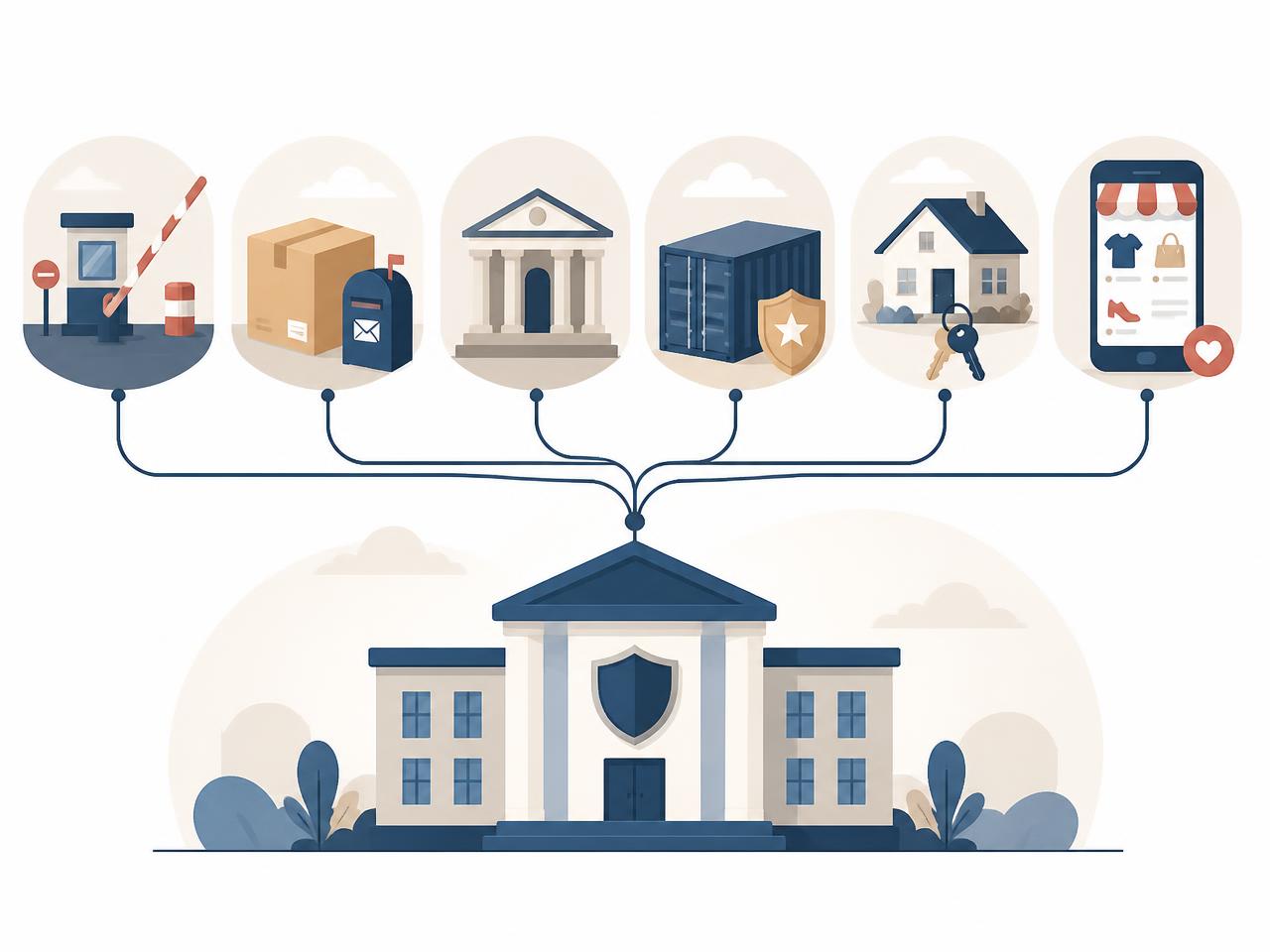
Border, the Oberih registry, post and cash-on-delivery, banks, CRS 2.0, customs, notaries and marketplaces: a consolidated table of the data sources the State Tax Service uses in 2026.

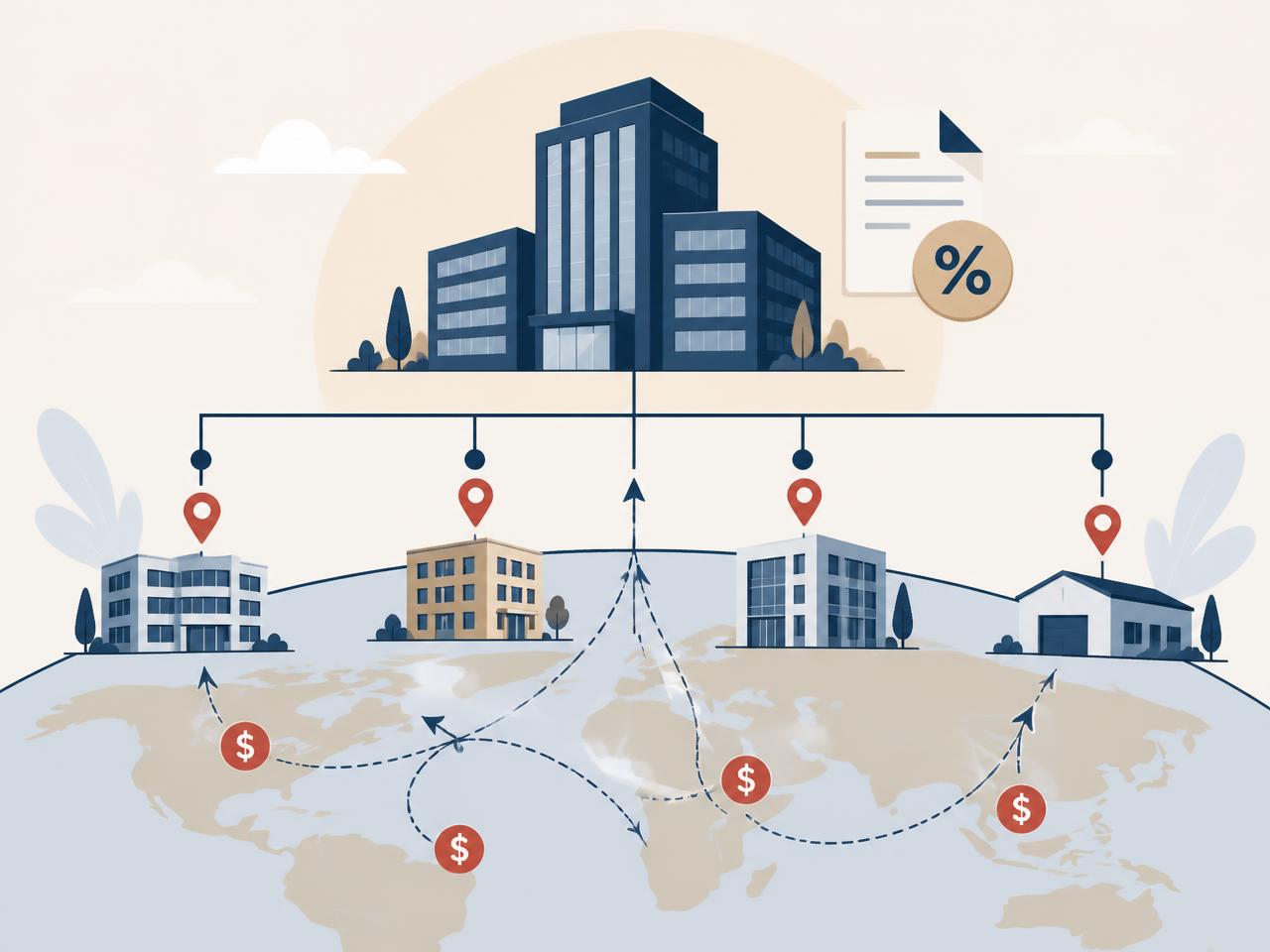
The cross-border side of business splitting: the principal purpose test, GAAR after ATAD from 2028, holding structure risks, CFC rules, transfer pricing and thin capitalisation (3.5x equity, 30% EBITDA).

Ukraine's GAAR from 2028: criteria of artificial business splitting, how to prove the business purpose of a structure, sample resolution wording and evidence of business substance for courts and the tax authority.

Is it lawful to outsource accounting if you already employ an accountant? Article 8 of Law No. 996-XIV, Supreme Court practice in case No. 160/25897/21 and how to draft the contract so the costs stand.

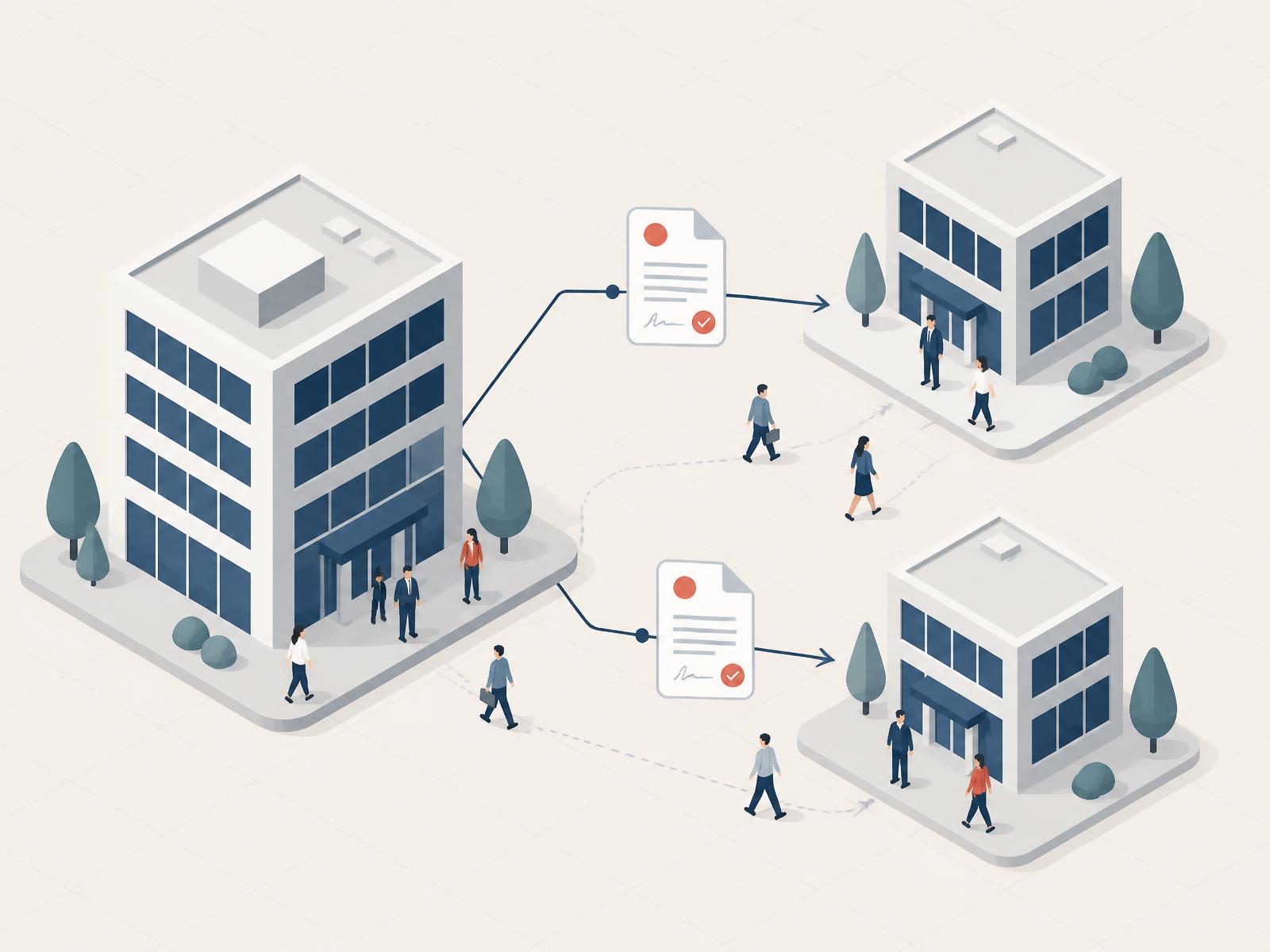
The company has grown and the back office lives its own life. A spin-off builds a separate company that eventually finds its own clients; shared services build an internal centre for the group only. How this is structured in Ukraine and where the requalification risks are.

Ukrainian tax authorities increasingly disallow expenses on transactions with non-residents citing a lack of business purpose. Who bears the burden of proof, why a loss-making deal is not automatically purposeless, and which documents to prepare before the audit.

How a buyer can lose property because of the seller's debts, why Art. 42 of the Bankruptcy Code extended the suspect period to three years, and which checks protect a deal from being set aside.

Where the line runs between lawful tax optimisation and evasion: the business-purpose test, splitting into private entrepreneurs, Art. 212 of the Criminal Code, Supreme Court practice and international cases. Analysis by KCPRB.

Transfer limits, documents that prove income, bank queries, business on a personal card and answers to the most common questions.

The Supreme Court has confirmed that the transfer of assets during a spin-off (vydil) is not a supply and is not subject to VAT. We break down the conditions, documents, and risks.

How to Unblock a Tax Invoice in 2026: Grounds for Blocking by SMKOR (СМКОР), Thresholds Under CMU Resolution No. 1048, Supreme Court Case Law, and a Step-by-Step Plan for Businesses

Law No. 4791-IX allows acceptance certificates to be recorded without the customer’s signature starting April 1, 2026. Attorney Dmytro Harnyi explains what to include in the contract, when the model without a second signature works, and when it does not.

The D2E swap mechanism allows an LLC (ТОВ) to “settle” its debt to a participant by increasing its charter capital. We break it down step by step: corporate law, personal income tax (ПДФО) and the military levy, controlled foreign companies (КІК), the position of the State Tax Service (ДПС), court practice, and typical mistakes.

A notice from your bank asking you to explain financial transactions is not a verdict, but it is also not a reason to send formal, boilerplate replies. Here are 15 practical tips to help you get through the process without losses.

Law No. 15111-d eliminates the asymmetry between real online turnover and what the State Tax Service (DPS) sees. We break down the timeline of changes, the Payoneer/Wise trap at 13 p.p., the risks for individual entrepreneurs (FOPs), and the roadmap for preparing for 2027.